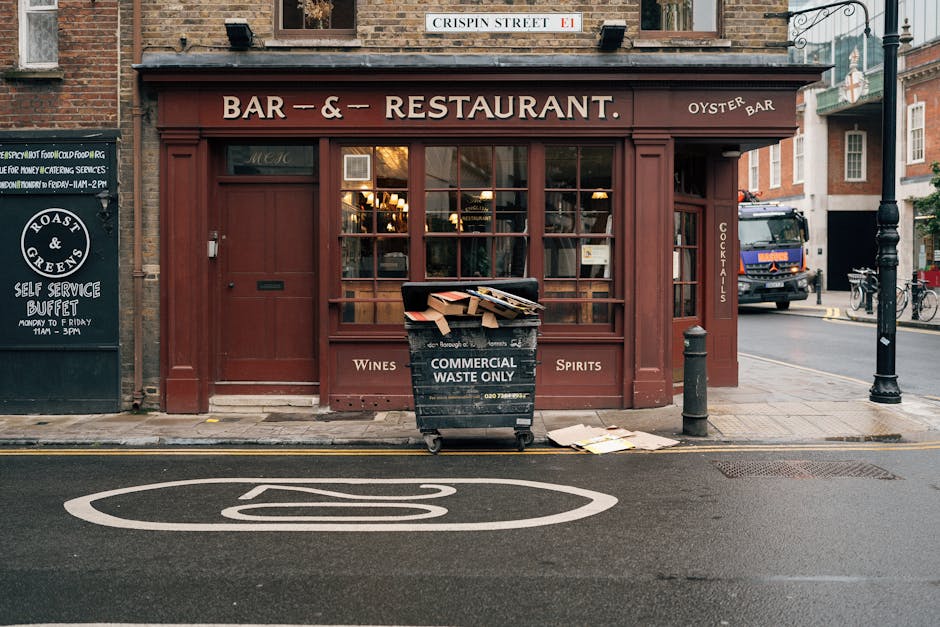
Hammersmith and Fulham Council waste rules for removals

If you are planning a house move, clearing a flat, or shifting bulky items during a removal in west London, the rules around waste can get confusing fast. Hammersmith and Fulham Council waste rules for removals affect what you can leave out, what needs to go to a recycling centre, and what should be handled separately by your removal team. Get it wrong and you can end up with fly-tipping concerns, blocked pavements, unhappy neighbours, or a last-minute scramble on moving day. Nobody needs that on top of boxes, tape, and a half-empty kettle.
This guide breaks the topic down in plain English. You will find the practical do's and don'ts, how removal waste is usually handled, what to check before moving day, and the common mistakes people make when they assume "the council will sort it later". We also cover useful best practice for tenants, homeowners, landlords, and businesses, so you can plan with a bit more calm and a lot less stress.
- Why the rules matter
- How waste handling works during removals
- Key benefits and practical advantages
- Who needs this guidance
- Step-by-step guidance
- Expert tips for better results
- Common mistakes to avoid
- Tools, resources and recommendations
- Law, compliance and best practice
- Options and comparison table
- Real-world example
- Practical checklist
- Conclusion
- Frequently asked questions
Why Hammersmith and Fulham Council waste rules for removals Matters
Waste rules matter because removals create more than just furniture to shift. You often end up with packaging, broken items, old cupboards, flat-pack scraps, bags of unwanted clothes, mattresses, and random things that were shoved under a bed and forgotten for two years. In a tight London street, that extra waste can quickly become a problem if it is left in the wrong place or at the wrong time.
Hammersmith and Fulham is a busy borough. Streets can be narrow, parking can be awkward, and communal bin stores can fill up quickly. That means your removal plan needs to include waste planning as well as transport planning. It sounds obvious, but in practice people often focus on the van and forget the rubbish until the night before. Then it becomes a rush, and rushed waste handling is where mistakes happen.
There is also a difference between general household waste and items that require specific disposal. A sofa, for example, is not the same as cardboard packaging. Paint tins, batteries, electrical items, and mattresses may need separate handling. If your move includes a clear-out, the safest approach is to assume that not everything can simply be left beside the bin and hoped for.
Practical takeaway: the best removals in Hammersmith and Fulham are the ones where waste is planned at the same time as the move itself, not after the van has already arrived.
How Hammersmith and Fulham Council waste rules for removals Works
At a basic level, the council expects waste to be stored, presented, and removed responsibly. For removals, that usually means separating what is staying, what is being donated or reused, and what is actual waste. The more clearly you separate those piles, the easier everything becomes.
Most people dealing with a move will fall into one of three situations:
- Routine household waste: everyday rubbish that goes in normal bins or approved collection points.
- Bulky waste: larger items such as furniture or white goods that may need separate disposal arrangements.
- Move-related packaging and clear-out waste: cardboard, bubble wrap, tape, soft plastic, old shelving, and similar items.
The council's practical expectation is simple: do not leave items on the street unless you are sure they are permitted and presented correctly. In a busy area, an item left outside "just for a bit" can become an issue very quickly. Wind, rain, pedestrians, and parking enforcement do the rest. And yes, cardboard has a talent for flying at exactly the wrong moment.
When you are using a removal company, the waste plan should be discussed early. Some items can be taken as part of the job if arranged in advance, while others may need a separate collection or specialist disposal. Good movers will usually ask what needs to go, what needs protecting, and what should be kept out of the van entirely. That conversation is worth having before move day, not during it.
For homes, flats, and smaller moves, a useful reference point is the range of removal services available for transport, packing, and clearance support. For larger or business relocations, it may make sense to look at commercial moves or office removals if desks, chairs, and filing materials need handling too.
Key Benefits and Practical Advantages
Following the waste rules properly is not just about avoiding trouble. It can make the whole move smoother, cleaner, and cheaper in the long run. That last part surprises people sometimes.
- Less last-minute panic: you are not scrambling to find bags, boxes, or disposal options at the eleventh hour.
- Fewer delays on moving day: vans can load more efficiently when waste has already been sorted.
- Better compliance: you reduce the risk of leaving waste in an improper place or in a way that breaches local rules.
- Cleaner handover: especially important for tenants trying to meet inventory or tenancy expectations.
- More reuse and recycling: items in good condition can be passed on rather than binned.
- Reduced stress: a tidy plan feels calmer, and you will notice the difference at 7 a.m. on moving day.
There is also a reputation factor. If you are moving out of a flat with shared access, neighbours and building managers remember who left a corridor full of broken wardrobe panels. Not ideal. A clean, respectful move tends to make everything easier, including future access if you ever need it again.
Another advantage is cost control. If you sort waste early, you can decide whether something should be reused, collected, dismantled, or disposed of separately. That is much better than paying for extra labour because the van was packed badly around items that should never have been loaded in the first place.
Who This Is For and When It Makes Sense
This guidance is useful for anyone planning a removal in Hammersmith and Fulham, but some situations need it more than others. If you are only moving a few boxes, you may not need a complex waste strategy. If you are clearing a whole property, you definitely do.
It is especially relevant for:
- Homeowners moving house
- Renters ending a tenancy
- Landlords clearing between occupants
- Flat sharers with communal bins and limited storage
- Office managers relocating desks or archive materials
- Families downsizing and getting rid of bulky items
- Anyone replacing furniture during a move
It also makes sense if you are dealing with time pressure. Suppose the old property must be handed back on Friday, the new place is not ready until Saturday, and the lift is out of action. In that kind of week, the waste plan becomes part of the survival plan. One missed bag can feel oddly huge when the rest of the day is already tight.
For people moving within the borough, local knowledge helps. A street with tight access, a top-floor flat, or a busy shared entrance can make even simple waste handling more awkward than it should be. If that sounds familiar, you are not imagining it. London does have a way of making the simple things slightly more fiddly.
Step-by-Step Guidance
If you want the cleanest route through the process, use this straightforward approach. It is not fancy, but it works.
- Start with a waste audit. Walk through the property and separate keep, donate, recycle, and dispose piles. Be honest with yourself. That old chair in the corner is not "vintage charm" if it is missing a leg.
- Check what needs special handling. Look for electrical items, batteries, paint, chemicals, bulky furniture, mattresses, and anything contaminated.
- Decide what will travel and what will not. Your removal van should carry goods, not loose waste mixed in with household items.
- Book any extra disposal support early. If you need bulky waste removal or an additional collection, do not leave this until the last week.
- Prepare packaging properly. Cardboard should be flattened where possible, and loose sharp items should be wrapped safely.
- Keep access clear. Stairs, hallways, and entrances should be free of clutter so waste does not become an obstruction.
- Label clearly. A simple marker pen can save a lot of confusion. "Donate", "Recycle", "Waste" - plain labels win every time.
- Confirm the final sweep. Before the van leaves, do one last room-by-room check, including cupboards, lofts, under beds, and behind radiators.
If you are using professional help, ask whether packing support is available. Services such as packing and unpacking services can make sorting much easier, especially for larger homes or busy business moves. And if you need to move awkward furniture safely, a dedicated furniture pick-up option may be more practical than trying to wrestle an old wardrobe down the stairs yourself. Been there, regretted it.
Expert Tips for Better Results
In our experience, the best removals are the ones where waste is reduced before it ever reaches the van. That sounds simple, but a few small habits make a big difference.
Sort early, not late
Leave enough time to decide what is being reused, sold, donated, or thrown away. If you wait until the night before, nearly everything starts to look like "maybe keep this just in case". That is how box counts quietly double.
Use a room-by-room rule
Instead of making one giant pile of unwanted items, sort each room individually. It helps you spot duplicates, broken things, and items that belong to a different disposal category.
Keep waste away from the main packing flow
A good trick is to use a separate corner or even a separate room for waste. That keeps it from creeping back into the "maybe keep" area. Small thing, big payoff.
Protect shared spaces
If you live in a block, make sure waste is not blocking hallways, lifts, or fire routes. It is common sense, but when a move gets hectic, common sense can disappear in the noise of tape guns and footsteps.
Plan for weather
Cardboard and soft packaging do not cope well with a damp morning. If rain is forecast, keep waste dry and sealed where possible. A soggy pile is harder to move and more annoying to handle, especially if you are already running late.
One more thing: if you are moving on a busy London route, local timing matters. Early starts are often calmer, but they only work if your waste is already organised. A van waiting while someone empties a cupboard drawer for the third time is nobody's idea of fun.
Common Mistakes to Avoid
Most removal waste problems come from a handful of avoidable mistakes. They are common enough that you can almost predict them.
- Leaving waste outside too early: it can attract complaints, blow away, or become a trip hazard.
- Mixing waste with items to be moved: this slows loading and increases the chance of damage or confusion.
- Ignoring special items: batteries, electronics, and certain household products should not be handled as ordinary rubbish.
- Forgetting communal rules: flats, estates, and managed buildings often have their own expectations as well as council rules.
- Assuming the van team will sort everything: unless agreed, that is rarely safe to assume.
- Underestimating volume: small amounts of waste add up fast when a whole property is being cleared.
A slightly awkward one, but worth saying: people also forget about furniture that cannot be dismantled easily. A sofa may fit through the door once, but not after a new mattress, a handrail, and two coats of paint have all narrowed the route. Measure first. It saves a headache.
Another mistake is not checking the final condition of the property. After the big items are gone, there is always one stray cable, one screw, one lonely charger. It is never the glamorous stuff, but it matters.
Tools, Resources and Recommendations
You do not need specialist equipment for every move, but a few basic tools can make waste handling easier and safer.
- Heavy-duty bags: useful for mixed soft waste, packing scraps, and small clear-out items.
- Marker pens and labels: simple, cheap, and weirdly effective.
- Box cutters or scissors: for breaking down cardboard quickly and neatly.
- Gloves: especially helpful when dealing with old storage items, dusty loft contents, or sharp packaging.
- Tape and string: to secure loose bundles and stop cardboard from spreading everywhere.
- Reusable crates: useful if you want to avoid excess single-use packaging on moving day.
For a greener move, it helps to think about waste prevention, not just waste disposal. Choosing reusable packing materials, donating usable furniture, and separating recyclable items are all small actions, but they add up. If sustainability matters to you, it may be worth reviewing a provider's approach to recycling and sustainability before booking.
If you are comparing removals support, it is also worth looking at practical service pages like man and van, movers, or removals near me if you want a simple local option. The right choice depends on volume, access, and how much waste you need to move along the way.
Law, Compliance, Standards, or Best Practice
For waste during removals, the important point is not to treat disposal as an afterthought. In the UK, waste must be handled responsibly, and householders, landlords, and businesses all have a role in making sure items are passed on, recycled, or disposed of properly. You do not need to become a legal expert to get this right, but you do need to be careful.
Best practice usually means:
- Keeping waste separate from goods being moved
- Not obstructing pavements, entrances, or communal areas
- Using approved disposal routes for bulky or specialist items
- Making sure waste is secure and not likely to blow away
- Being considerate of neighbours and building management rules
If you are a landlord or managing a business move, your responsibilities can be broader. Clear-outs may involve confidential paper, old IT equipment, furniture, or tenant left-behind items. In those cases, it is wise to plan carefully and keep records of what was removed and how. That is less about formality for its own sake and more about avoiding awkward disputes later.
Insurance and safety matter too. If heavy items are being moved or disposed of, check that the team has sensible handling procedures. A provider with clear policies around insurance and safety is generally a better bet than someone who says, "It'll be fine, mate," while eyeing a chest of drawers the size of a small moon.
For business clients, the compliance bar is often higher. Office removals can involve access control, data security, and scheduled clearances that must happen cleanly and on time. It is worth looking at the provider's approach to office relocation services if your move involves staff, equipment, or multiple rooms of contents.
Options, Methods, or Comparison Table
There is more than one way to deal with waste during a removal. The right option depends on volume, item type, and how much time you have.
| Option | Best for | Pros | Watch-outs |
|---|---|---|---|
| Reuse or donate | Good-condition furniture, clothes, homeware | Reduces waste, can help others, often cheapest | Needs sorting and timing; not everything is suitable |
| Self-sorting and council disposal routes | Smaller amounts of waste, planned clear-outs | Flexible and controlled | Can be time-consuming; bulky items may need extra effort |
| Removal company with disposal support | Busy moves, larger properties, awkward access | Convenient, less lifting, easier on moving day | Needs clear booking instructions and scope |
| Separate bulky-item arrangement | Large furniture, mattresses, mixed waste | Good for items too big for normal bins | Requires planning and may involve timing constraints |
For many people, a mixed approach works best. Keep reusable items out of the waste stream, handle recyclables separately, and use professional help for the awkward or heavy things. That is the sweet spot, honestly. Not too clever, not too chaotic.
Case Study or Real-World Example
Picture a fairly typical Saturday move in Hammersmith: a second-floor flat, a couple of sofas, a broken bedside table, several boxes of kitchenware, and a stack of flattened cardboard that has somehow multiplied overnight. The tenant wants to hand back the keys by lunchtime, and the hallway is already busy with another resident carrying in groceries.
Rather than trying to deal with everything at once, the moving plan is split into three parts. First, anything being kept is boxed and labelled. Second, usable items are separated for donation or reuse. Third, waste is grouped together in one place away from the main exit route. The old table is dismantled, the cardboard is flattened, and smaller rubbish is bagged tightly.
On the day, loading is faster because the team is not stopping every five minutes to decide whether a thing is trash or treasure. The final sweep is clean, the flat is left tidy, and there is no scramble to drag loose packaging down the stairs after the van has already been loaded. Not glamorous. But effective.
What made the difference was not effort alone. It was preparation. The waste was dealt with before the pressure built up. That is the part people usually underestimate.
Practical Checklist
Use this quick checklist before your removal day arrives.
- Separate keep, donate, recycle, and dispose items
- Identify bulky, electrical, and special waste items
- Confirm whether any items need separate disposal arrangements
- Flatten cardboard and secure loose packaging
- Keep waste away from entrances, lifts, and fire routes
- Label boxes and bags clearly
- Check shared building rules if you live in a flat or managed property
- Ask your movers what they will and will not take
- Do a final room-by-room sweep before leaving
- Leave the property tidy and accessible for the next stage
If you want the simplest possible planning path, make waste part of the booking conversation from the very beginning. It saves time, reduces confusion, and makes the move feel a lot more under control.
Conclusion
Hammersmith and Fulham Council waste rules for removals are really about being organised, considerate, and practical. Once you understand the difference between ordinary waste, bulky items, and items that need special handling, the whole process becomes much easier to manage. The key is to plan early, sort clearly, and avoid leaving anything to the last minute if you can help it.
Whether you are moving from a compact flat, clearing out a family home, or handling a business relocation, waste planning is one of those quiet details that makes the whole day smoother. It does not get the headlines, but it saves stress, time, and avoidable mess. And in a borough like Hammersmith and Fulham, that is worth a lot.
Get a free quote today and see how much you can save.
Frequently Asked Questions
What are Hammersmith and Fulham Council waste rules for removals in simple terms?
They are the practical rules and expectations around how you store, separate, and dispose of waste during a move. The main idea is to avoid leaving rubbish in the wrong place or mixing it up with items being transported.
Can I leave furniture outside for collection during a move?
Not automatically. Furniture should only be left out if it is allowed, arranged properly, and placed safely. In many situations, it is better to plan a separate bulky-item solution or ask your movers what they can take.
Do removal companies take old rubbish as well as my furniture?
Sometimes, but only if that has been agreed in advance. A removal company may move waste-related items or help with disposal support, but it is best not to assume everything will be included by default.
What counts as bulky waste in a home move?
Bulky waste usually means larger items that are awkward to handle in normal bins, such as sofas, wardrobes, mattresses, tables, or large appliances. These items often need separate planning.
Can I put cardboard out with my normal household rubbish?
Small amounts may be fine if handled correctly, but it is usually better to flatten cardboard and separate it where possible. Cardboard builds up fast during removals, so it is worth managing it early.
What should I do with batteries, paint, or electrical items?
Treat them carefully and do not assume they belong in standard waste bags. These items often need special handling, so check how they should be separated before moving day.
How far in advance should I plan waste disposal before a move?
Ideally, as soon as you know your moving date. Even a few days of extra time helps. For larger clear-outs, a week or more is much easier on everyone involved.
What if I live in a flat with shared bins and limited space?
That is common in Hammersmith and Fulham. The best approach is to sort waste early, avoid overfilling communal bins, and keep hallways or shared spaces clear. A bit of order goes a long way.
Is it better to donate items or throw them away?
If an item is still usable, donation or reuse is usually the better option. It reduces waste and can save disposal effort. If it is damaged, unsafe, or not fit for reuse, disposal is more sensible.
How do I avoid problems with waste on moving day?
Sort items in advance, label everything clearly, keep waste separate from goods, and confirm what your removal team will handle. A final room-by-room sweep before the van leaves helps too.
Do I need to worry about compliance if I am moving a business?
Yes, a bit more than a domestic move. Business relocations can involve equipment, documents, furniture, and access rules, so it is sensible to plan the waste and clearance process carefully.
Where can I find more help with a local removal in the area?
It helps to review the moving and support options available, including home moves, office removals, and related services, so you can choose the right setup for your property and waste volume.