Best routes to avoid delays for Hammersmith removals near A4
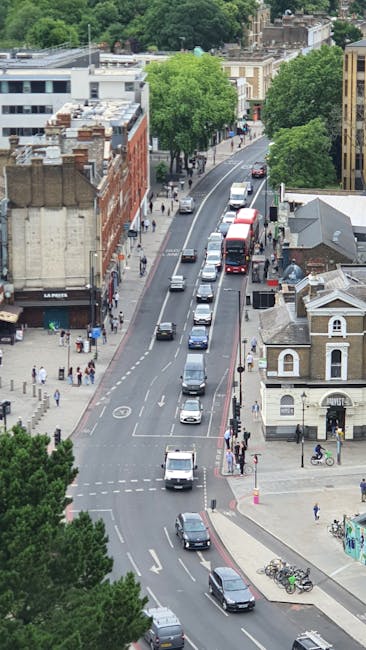
If you are planning a move in west London, the road network around Hammersmith can make or break the day. The best routes to avoid delays for Hammersmith removals near A4 are not just about shaving off a few minutes. They are about keeping a van moving, protecting furniture from unnecessary stop-start journeys, and making sure your move does not turn into a long, tired queue of avoidable stress. Around the A4, little things matter: one badly timed turn, one awkward loading spot, or one bit of rush-hour traffic can snowball. The good news? With a bit of local know-how, you can plan a cleaner, calmer route and sidestep the worst hold-ups.
In this guide, you will find practical route-planning advice, the main delay risks to look out for, the kinds of moves that benefit most from careful planning, and a realistic step-by-step approach you can actually use. Nothing flashy. Just useful, local, grounded advice that helps on the day.
Why Best routes to avoid delays for Hammersmith removals near A4 Matters
Hammersmith sits in one of those parts of London where road choice has a very real impact on timing. The A4 is a major artery, but that also means it can be busy, slow, and prone to sudden changes in flow. If you are moving house, relocating a flat, or shifting office furniture, every extra minute in traffic adds pressure. Drivers get boxed in, loading windows shrink, and a simple transfer becomes more fragile.
That is why route planning matters so much. It is not just about choosing the shortest distance. It is about choosing the least disruptive journey. A slightly longer route with steadier movement can be better than a route that looks quicker on paper but gets stuck near junctions, lights, school runs, or commuter peaks. To be fair, that is true in most of London, but around the A4 it becomes especially noticeable.
Another reason this matters is the knock-on effect on your move itself. If a van arrives late, the whole chain changes. You may lose lift access, miss a parking slot, or end up loading in a hurry while neighbours walk past with that polite but mildly judgemental look we all know too well. A good route plan reduces all of that.
If you are organising a wider home move, it can also help to look at the broader service structure first, such as home moves or house removals, so route timing sits alongside packing, access, and parking rather than being treated as an afterthought.
How Best routes to avoid delays for Hammersmith removals near A4 Works
In practice, route planning for removals near the A4 starts with one simple question: where will the van lose time? That might be at junctions, on narrow residential roads, near loading restrictions, or in areas where traffic compresses around key crossroads. The route that works best is usually the one that avoids stop-start segments and gives your driver enough space to maintain a steady pace.
A professional move planner will usually think in layers:
- Main road choice: whether to use the A4 itself, a feeder road, or a quieter parallel route.
- Time of day: avoiding peak commuter windows where possible.
- Access at both ends: whether the vehicle can stop safely and legally close to the property.
- Vehicle size: larger vans are not always better if the route includes tight turns or awkward side streets.
- Traffic pinch points: junctions, busier shopping stretches, and roads that slow down even when the map looks clear.
This is where a reliable local operator can be worth its weight in cardboard tape. A man and van setup is often more flexible for local Hammersmith collections and smaller removals, while larger loads may be better suited to a moving van or, for heavier work, a bigger moving truck. The route has to match the vehicle, not the other way round.
There is also a practical rhythm to timing. In the morning, traffic patterns can change quickly around the A4. By late afternoon, you may have a different set of bottlenecks altogether. Sometimes the best route is not the one with the fewest turns, but the one that lets you avoid sitting at the same light three times while the clock quietly eats your buffer. Annoying, yes. Avoidable, usually.
Key Benefits and Practical Advantages
When route planning is done properly, the benefits go beyond punctuality. It makes the whole move feel more controlled, which is half the battle in a city like London.
- Less waiting time: fewer traffic delays means more time actually moving items.
- Lower stress: when the van is on schedule, the rest of the move feels calmer.
- Reduced risk of damage: less stop-start driving can mean fewer chances for items to shift.
- Better use of access windows: helpful if your building has lift bookings or limited loading times.
- Improved parking control: a better route helps you arrive when a space is more likely to be available.
- Stronger coordination: packing, keys, and handover timing can all be matched more sensibly.
For business moves, this matters even more. Delays during an office relocation can affect staff, clients, and building access arrangements. If you are planning a commercial transfer, it is worth reading about commercial moves or office removals so you can factor routing into downtime planning from the start.
There is also a financial side, even if nobody likes to talk about it too early. A smoother route can help keep the job within the expected time frame, which matters when pricing is linked to crew hours or vehicle use. If you are comparing options, the site's pricing and quotes information is a sensible place to start.
Who This Is For and When It Makes Sense
Route planning near the A4 is useful for almost anyone moving in or out of Hammersmith, but it is especially valuable in a few specific situations.
- Flat moves with limited access: if parking is tight and the building entrance is hard to reach.
- Family house removals: when there is more furniture, more handling, and more chance of delay compounding.
- Office relocations: where timing, staff coordination, and building rules matter.
- Short-notice moves: when you cannot afford a messy first attempt.
- Weekend moves: when road patterns can shift because of leisure traffic or local events.
If you are hiring a one-person or small-team move, the right route can make a surprisingly big difference. A flexible man with van or man with a van service can sometimes slip through local streets more efficiently than a larger vehicle, but only if the load size and access points suit the job. Bigger is not always better. Not in London, anyway.
This also applies if you are arranging a straightforward item transfer, such as furniture or a few large pieces. In those cases, a targeted service like furniture pick up may be enough, and the route can be chosen around the item size rather than full-house logistics.
Step-by-Step Guidance
Here is a practical way to plan a better route for removals near the A4 without overcomplicating it.
- Map both ends first. Check the pickup and drop-off addresses before you think about traffic. If one end has narrow access, no loading bay, or a steep approach, that may matter more than the road between them.
- Identify likely bottlenecks. Look for major junctions, roadworks, busy commercial stretches, and places where buses or delivery traffic tend to bunch up.
- Choose the vehicle to suit the route. If the route includes tight residential streets, a slightly smaller van can save time and stress.
- Set a realistic departure window. Try not to leave the timing to chance. A move at 8:00 a.m. can behave very differently from one at 9:30 a.m.
- Build in buffer time. A buffer is not wasted time. It is insurance against the weird little things that happen on moving day.
- Check parking and stopping space. If you can safely stop closer to the property, unloading gets faster and simpler.
- Coordinate packing with route timing. Do not have the van sitting idle while the last boxes are still being sealed with tape that has mysteriously vanished from the kitchen drawer.
One detail people often miss: the route that works on a map may fail in real life because of local access restrictions. That is why using a service with local experience helps. If you want a broader moving support package, removal services or removals near me can be worth comparing against a more specific vehicle hire option.
And if the move is more than a few boxes, think about packing too. Good packing and unpacking services can make route timing less fragile because the load is more organised and faster to move at each end.
Expert Tips for Better Results
After enough removals, a few patterns show up again and again. The following are the small things that often separate a smooth day from a frustrating one.
- Use a route with fewer left-right turns in dense areas. It sounds small, but repeated turns in busy streets slow you down more than you expect.
- Avoid arriving right on school-run or office-changeover peaks. Around London, those windows can be maddeningly predictable.
- Match the route to the property type. A route that suits a ground-floor flat move may not suit a second-floor walk-up with bulky furniture.
- Keep the van load organised by drop-off sequence. If the first items out are near the back, unloading takes longer. Simple, but easy to get wrong.
- Call ahead if access changes. A parking space gone missing or a lift out of service can change the whole plan.
One practical habit I really rate: ask the driver which approach they prefer before the day. A quick conversation often reveals a better option than the one you guessed from the map. There is no trophy for stubbornness. Just a lot of heavy boxes.
If your move involves a larger vehicle, consider whether a removal van or even removal truck hire is actually suitable for the route. In some parts of Hammersmith, a smaller vehicle can be the smarter choice simply because it keeps the route simpler and reduces the odds of awkward reversing.
Common Mistakes to Avoid
Most delays near the A4 are not dramatic disasters. They are a cluster of small avoidable mistakes. That is the frustrating part.
- Picking the fastest-looking route without checking access. A quick route that ends in impossible parking is not really a quick route.
- Ignoring peak traffic windows. This is the classic one. It looks fine on paper, then the van is crawling.
- Forgetting service lift or loading bay timings. Buildings often have stricter timing than roads do.
- Using a vehicle that is too large for the street layout. Bigger vehicles can create their own delay problems.
- Not allowing for weather. Rain, glare, and poor visibility can slow loading and driving more than people expect.
- Leaving packing until the last minute. The route may be excellent, but if the boxes are not ready, the schedule still slips.
Another one: assuming the same route will work for both ends of the move. Sometimes the outbound journey is fine, but the return leg is where congestion bites. A good plan looks at the whole movement, not just the first stretch.
Tools, Resources and Recommendations
You do not need anything overly technical to plan a better removal route, but a few basic tools and checks make life easier.
- Route mapping: use a live traffic-aware map app to compare a couple of different approaches, not just the default route.
- Notes from the property: write down gate codes, parking details, and lift access rules before the move day.
- Inventory list: knowing the size and number of items helps match the vehicle and route.
- Move-day timeline: a simple schedule for dismantling, loading, travel, and unloading can stop the whole day drifting.
- Service information: the company's about us, insurance and safety, and health and safety policy pages are useful if you want to understand how they work before booking.
If you are comparing providers, it is also sensible to review removal company and removal companies pages so you can judge service scope alongside route flexibility. A local team that understands access issues around the A4 can save you more time than a company that simply promises to be "quick". Quick is easy to say. Reliable is harder.
For customers who are still deciding between different styles of support, the pages for man and van removals and movers can help frame what type of help fits the move.
Law, Compliance, Standards, or Best Practice
For removals in Hammersmith, the most relevant compliance issues are usually practical rather than dramatic: parking rules, loading restrictions, safe driving, and making sure the move is carried out in a way that respects building access and local road conditions. You should always check any parking permissions, restrictions, or building rules that apply at both addresses. If there is a permit or loading limit required, that should be sorted in advance.
From a good practice point of view, movers should also think about vehicle safety, manual handling, and clear communication with the customer. It is normal for a reputable operator to have clear terms, payment procedures, and safety expectations. If you want to review those details, the website's terms and conditions, payment and security, and recycling and sustainability pages help show that the business pays attention to the unglamorous but important parts of the job.
It is also sensible to understand complaints procedures and privacy expectations before booking, just as a matter of trust. Nobody plans to need them, obviously, but it is better to know they exist. If you are a careful planner, that kind of transparency matters.
Options, Methods, or Comparison Table
Different route strategies suit different kinds of move. Here is a simple comparison that should help.
| Route method | Best for | Pros | Watch-outs |
|---|---|---|---|
| Main road / A4-led route | Faster point-to-point transfers when timing is favourable | Direct, familiar, often simplest to navigate | Can become slow at busy junctions and peak periods |
| Parallel local road route | Moves where the main road is congested | Can reduce stop-start driving and avoid heavy traffic | May involve tighter streets or slower speed limits |
| Off-peak timed route | Planned removals with flexible departure times | Often the best balance of speed and predictability | Requires tighter scheduling and early preparation |
| Smaller vehicle route | Flat moves and access-challenged streets | Easier turning, easier parking, more flexible stopping | May require more trips if the volume is large |
For many local removals, the best answer is a blend: a sensible time slot, a vehicle that suits the streets, and a route that avoids the worst junction pressure. Nothing fancy. Just the right mix.
Case Study or Real-World Example
Imagine a small flat move from near Hammersmith town centre to another west London address with a tight stairwell and limited loading outside the building. The customer initially wants to leave mid-morning because it feels convenient. On paper, that is fine. In reality, it lands them in heavier traffic, with more chance of waiting behind delivery vehicles and buses.
Instead, the move is shifted slightly earlier. The route is chosen with the vehicle size in mind, and the driver avoids the most congested section near the A4 by taking a steadier parallel approach. The van gets to the pickup point with less delay, the first load goes out cleanly, and the unloading window at the destination is not rushed. The whole day feels more relaxed. Still busy, still physical, but less chaotic.
That kind of adjustment might sound minor, but in real moving work it can be the difference between a steady job and a day that keeps slipping. In our experience, customers often remember the sense of calm as much as the route itself. Which, honestly, is a win.
Practical Checklist
Use this checklist the day before your move near the A4.
- Confirm both addresses and postcodes.
- Check whether either property has loading restrictions.
- Decide on the best departure window.
- Choose a vehicle size that suits the streets and the load.
- Keep keys, access codes, and contact numbers ready.
- Prepare a clear inventory of large or fragile items.
- Make sure boxes are labelled by room.
- Set aside essentials you will need first at the new property.
- Build in time for traffic, parking, and a bit of the unexpected.
- Check the weather, even if only briefly. London skies do what they like.
Expert summary: the best route is rarely the one that looks shortest on a map. It is the one that fits the vehicle, avoids predictable bottlenecks, and keeps the move moving without drama. That is the whole trick, really.
Get a free quote today and see how much you can save.
Conclusion
Choosing the best routes to avoid delays for Hammersmith removals near A4 is really about making smart, practical decisions before the van even starts moving. Focus on access, timing, vehicle size, and parking conditions rather than chasing the shortest route alone. If you plan well, the day is calmer, the handling is easier, and the move feels much more in control.
That is especially true in Hammersmith, where the road pattern can change quickly and the smallest delay can ripple through the rest of the job. A careful route, a realistic schedule, and a team that understands local conditions can save a lot of headache. And frankly, on moving day, fewer headaches is always the goal.
When you are ready, go step by step, keep the plan simple, and trust the boring details. They are usually the bits that make everything work.
Frequently Asked Questions
What is the best route for removals near the A4 in Hammersmith?
There is no single best route for every move. The right choice depends on your pickup and drop-off points, the size of the vehicle, the time of day, and whether nearby roads are congested. A quieter parallel route can often be better than staying on the busiest stretch of the A4.
Should I always avoid the A4 for a Hammersmith move?
Not always. The A4 can be the most direct option, especially outside peak traffic windows. The key is to compare it with nearby alternatives and choose the route that offers the most reliable journey, not just the shortest one.
What time of day is best for moving near Hammersmith?
Off-peak times are usually safer, but the best window depends on the exact route and access conditions. Early departures can help, though local traffic patterns, school runs, and building access times should all be checked first.
Is a smaller van better for tight roads near the A4?
Often, yes. A smaller vehicle can make parking, turning, and stopping much easier on narrow streets. That said, if your load is large, it may be more efficient to use a bigger van and plan a route that suits it properly.
How can I avoid delays on moving day?
Book a sensible time slot, prepare your items early, check parking and access, and choose a route that avoids known bottlenecks. A small buffer in the schedule is also very helpful. It sounds obvious, but it saves a lot of pressure.
Do office removals near the A4 need different route planning?
Yes, they usually do. Office moves often involve stricter timing, building rules, and more equipment. If you are relocating a workplace, route planning should be tied to access windows and downtime minimisation from the start.
What should I check before booking a removals service?
Look at the service scope, vehicle options, insurance and safety information, payment terms, and how the company handles access or delay issues. Those details matter just as much as the quoted price.
Can poor parking cause delays even if the route is good?
Absolutely. A good route does not help much if the van cannot stop close to the property. Parking and loading access are often the real bottlenecks in London moves.
Is it better to use a man and van or a full removal service?
That depends on the size of the move. A man and van setup can work well for smaller, flexible jobs, while fuller removal services are better for bigger home or office moves. The right choice depends on how much you are moving and how complex the access is.
What if my building has a lift booking or loading slot?
Then route timing becomes even more important. You need the van to arrive when the access window is open and realistic. If the building has specific rules, the move should be planned around them rather than hoping everything runs early on the day.
How far in advance should I plan the route?
As early as possible, ideally when you first confirm the moving date. Even a simple route check done a few days ahead can reveal traffic pinch points, parking concerns, or access issues you would rather know about before the morning of the move.
What is the biggest mistake people make with Hammersmith removals near the A4?
The biggest mistake is assuming the fastest-looking map route will work in reality. In London, route quality depends on timing, traffic, loading space, and vehicle fit. The easiest-looking route is not always the smoothest one.