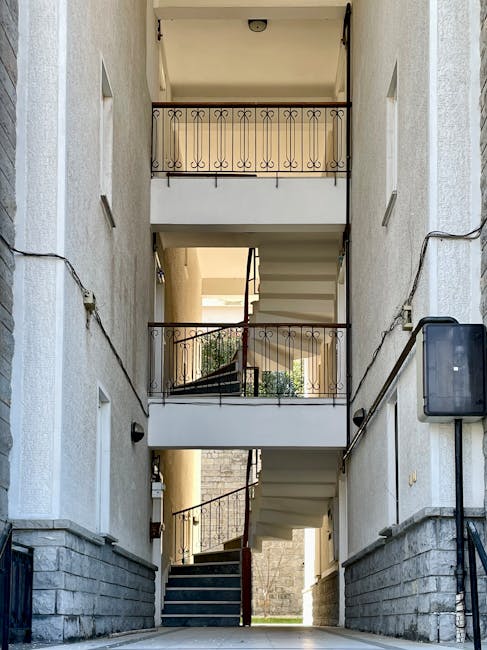
W6 man and van tips for narrow staircases and bays
Posted on 14/06/2026
If you are moving in W6, you will probably know the feeling already: a beautiful flat, a compact hallway, and a staircase that seems to turn the wrong way just when you need to carry a wardrobe through it. That is exactly where W6 man and van tips for narrow staircases and bays become genuinely useful. Bays can create awkward angles, stairwells can pinch bulky furniture, and one rushed lift can chip a wall, scratch a bannister, or damage the item you were trying so hard to protect.
The good news is that most of these headaches are manageable with a bit of planning. In practice, the difference between a smooth move and a stressful one usually comes down to measuring properly, preparing the route, and choosing the right loading method. If you want a broader view of the service options available locally, it can also help to look at man and van help in Hammersmith and the wider services overview.
In this guide, we will walk through what makes narrow staircases and bay windows tricky, how to plan around them, what tools actually help, and when it is wiser to ask for professional removal support rather than trying to muscle through. Truth be told, the staircase always wins if you ignore it.

Why W6 man and van tips for narrow staircases and bays Matters
W6 has plenty of older properties, split-level flats, converted houses and period layouts that look charming on a viewing but feel much less charming on moving day. Narrow staircases are common in these buildings, and bay windows can make room dimensions a little deceptive. A sofa may fit in the lounge, but that does not mean it will simply glide down the stairs or swing cleanly through a front bay.
This matters because most moving damage happens at the edges: corners, door frames, banisters, skirting boards, and the sharp turn at the landing. If you have ever heard the thud of a chest of drawers catching a wall, you will know the sound immediately. Not ideal. It can also slow the job right down, which means more labour time, more frustration, and more chances for an avoidable mistake.
Good planning also affects the van load. If a piece is awkward to carry through a staircase, it may be better to route it via the front entrance, rear access, or a window opening where appropriate and safe. That decision is often made too late. A little route thinking before the move can save the whole day.
For local moving help, a tailored Hammersmith W6 man and van service can be much easier to manage than a generic, one-size-fits-all approach, especially when the building has tight corners or limited parking.
How W6 man and van tips for narrow staircases and bays Works
The basic idea is simple: you make the move smaller, clearer, and safer before anyone starts lifting. That means measuring the furniture, checking the staircase width, identifying the tightest turning points, and deciding which items need dismantling or extra protection. Bays add another wrinkle because the window alcove can affect where you stage boxes, turn furniture, or rest a carried item while the next person opens a door.
In practical terms, the process usually works in three layers:
- Route planning - map the journey from room to van, not just from flat to pavement.
- Item preparation - remove shelves, legs, handles, mattress toppers, and anything else that reduces awkward bulk.
- Controlled handling - use straps, blankets, gloves and a steady two-person lift where needed.
If the staircase has a narrow bend, a landing with a low ceiling, or a bay that narrows the entry angle, you may need to tilt the item slightly and rotate it in stages. That is normal. A lot of moves are not about brute strength; they are about patience and angles. A bit like folding a fitted sheet, if the fitted sheet weighed 80 kilos and had drawers attached.
That is also why the right service matters. A flexible man with a van in Hammersmith can work well for smaller jobs, while a more structured removal service in Hammersmith may be better when access is difficult and multiple items need careful handling.
Key Benefits and Practical Advantages
The big benefit is obvious: fewer bumps, scratches and strained backs. But there are a few less obvious wins too.
- Faster loading because each item has already been assessed for access issues.
- Lower damage risk to walls, bannisters, furniture corners and door frames.
- Less stress for everyone involved, which genuinely affects how well a move goes.
- Better use of van space when awkward pieces are loaded in the right order.
- Reduced chance of last-minute cancellations caused by access problems nobody mentioned earlier.
There is also a local advantage in W6 itself. Many streets around Hammersmith have limited stopping space, and a bay window can mean your furniture staging area is smaller than you first imagined. If you know this in advance, you can plan where the van will park, where the crew will set down items, and how to keep the hallway clear. That sounds minor, but it matters a lot when you are carrying a sofa at 8:00 in the morning and everyone is still half asleep.
For a useful broader read on choosing the area and the lifestyle around it, the article on why people move to Hammersmith gives a good sense of local living conditions and property styles. Some of those layouts are exactly the kind that create access headaches.
Who This Is For and When It Makes Sense
These tips are for anyone moving in or out of a property where access is not straightforward. That includes first-floor flats, maisonettes, converted terraces, student lets, shared houses, and older homes with slim staircases or tight hallway turns. If the thought of carrying a mattress around a turn makes you wince a little, this section is for you.
It makes particular sense if you are moving:
- from a flat with a compact staircase;
- into a property with a bay window or bay-fronted room layout;
- with bulky furniture such as wardrobes, sofas or exercise equipment;
- on a tight schedule where delays would be expensive;
- without a lift, loading bay, or easy rear access;
- with fragile or awkward items that need careful turning.
It is also relevant if you are weighing up whether to use a general mover or a specialist. A flat removals service in Hammersmith is often the more practical choice where stair access is tight, while furniture removals in Hammersmith can help when the main challenge is one or two especially awkward pieces.
To be fair, not every move needs a full removal crew. But if the staircase looks like it was designed by someone who had never seen a wardrobe, you probably want a plan.
Step-by-Step Guidance
Here is the most reliable way to handle narrow staircases and bay windows without turning the move into a wrestling match.
1. Measure everything before moving day
Measure the widest furniture pieces, then measure the narrowest points in the property: stairs, landings, doorways, and the bay area if you will be using it for staging. Pay attention to height as well as width. A low ceiling over a stair turn can be just as limiting as a tight width.
If you are unsure, leave yourself a margin. Furniture that fits on paper can still fail in the real world because of handles, protruding feet, hinges or bulky upholstery.
2. Identify the problem items early
Make a short list of anything likely to cause difficulty. Typically, this includes wardrobes, bed frames, large mirrors, tall bookcases, headboards, desks and older sofas. If there is a bay window in the room, picture how each item will pivot in that space. Sometimes the problem is not the size of the item itself; it is the turning radius.
3. Dismantle what you safely can
Removing legs, shelves, drawers and loose fittings can reduce width, weight and wobble. Keep screws and fixings in labelled bags. That sounds obvious, but it is the sort of thing that disappears into moving-day chaos very quickly. If you are not confident dismantling a piece, do not force it. A quick pause now can prevent a broken panel later.
4. Protect walls, corners and furniture edges
Use blankets, corner protectors, wrapping and tape where appropriate. On narrow stairs, the danger is often contact rather than impact. A slow scrape along a wall can do more visible damage than a quick bump. The same applies to a bay recess, where awkward angles can catch edges unexpectedly.
5. Clear the route completely
Remove rugs, shoes, plant pots, picture stands and anything else that creates a trip hazard. Open internal doors fully where possible. If there is a front bay that reduces the staging area, keep that space tidy too. You need clear movement lines, not a scavenger hunt.
6. Lift in stages and communicate clearly
Use short instructions: stop, tilt, turn, lower. That is better than everyone talking at once. A good lifting rhythm saves energy and reduces panic, especially on stair turns where visibility is poor. If two people are carrying, one should lead the route and the other should focus on balance and wall clearance.
7. Load the van in the right order
Put the heaviest and most stable items in first, then layer in lighter goods. If you have several awkward items, load them so that you do not bury something you need to unload first. A narrow-staircase move is hard enough without re-shuffling the entire van at the destination.
8. Review the space again after the first few items
Sometimes the first lift tells you everything. If an item is tighter than expected, adapt early. Maybe the angle changes. Maybe another person needs to help. Maybe one item is better taken apart further. Small adjustments can rescue the whole move.
Expert Tips for Better Results
The best tips are often the boring ones that save the most trouble. Here are the ones worth keeping close.
- Measure diagonally, not just edge-to-edge. Diagonal movement can make a piece fit where a straight carry will not.
- Use the bay as a reset point. If the bay is wide enough, it can act as a turning or resting zone before the staircase carry.
- Take photos of the access route. A quick picture of the staircase, landing and bay helps everyone plan properly before arrival.
- Keep hardware in one pouch per item. One drawer handle missing at the end of the day can feel surprisingly annoying.
- Wear proper gloves and sturdy footwear. Slippery soles are bad news on polished steps.
- Think about timing. Mid-morning can sometimes be calmer than the school-run rush or late-afternoon parking pressure.
If you are moving larger or fragile items, it can be worth looking at piano removals in Hammersmith even if you are not moving a piano. The reason is simple: that page reflects the sort of careful handling approach needed for heavy, awkward objects in tight spaces.
One more thing. Do not underestimate the value of a second person with a clear view from below. Staircases in older London properties can trick your eyes. What looks like enough room from the top can feel very different halfway through the turn.

Common Mistakes to Avoid
A lot of access problems are predictable. That is the frustrating part. The same mistakes keep happening because people focus on the item and forget the route.
- Not measuring the staircase properly. Guessing is risky. Always check the tightest point.
- Forgetting the bay window angle. The bay can change how a sofa, wardrobe or table needs to be turned.
- Trying to move everything in one go. Heavy, awkward and fragile items need a sensible sequence.
- Ignoring parking and access outside. A perfect staircase plan means little if the van cannot park nearby.
- Skipping dismantling just to save a few minutes. That short cut often costs more time later.
- Poor communication between helpers. Silent lifting sounds efficient. Usually it is not.
- Leaving walls and floors unprotected. Small scuffs add up quickly.
A small honest note: every mover has at least one story about the item that "absolutely would fit" until it reached the stairs. Happens all the time. The trick is not to argue with reality. Adjust, rotate, rethink, carry on.
Tools, Resources and Recommendations
You do not need a van full of specialist kit, but the right basics make a clear difference. For narrow staircases and bays, these are the most useful items.
| Tool or item | Why it helps | Best use case |
|---|---|---|
| Removal blankets | Protect furniture edges and walls from scuffs | Sofas, tables, wardrobes, frames |
| Straps or webbing | Gives better control on turns and when lifting in pairs | Heavy or long items on stairs |
| Gloves with grip | Improves handling and helps prevent slips | General lifting and loading |
| Furniture sliders | Makes it easier to reposition items before the carry | Pre-staging in rooms with bay windows |
| Labelled bags for fixings | Keeps dismantled parts together | Flat-pack and modular furniture |
| Measuring tape | Essential for checking widths, heights and diagonal clearance | Any property with tight access |
For packing support, the guides and services around packing and boxes in Hammersmith and package and boxes in Hammersmith can help you organise the move more cleanly, especially if you want smaller, easier-to-carry loads on the stairway.
And if you need temporary overflow space while you sort a difficult property layout, storage in Hammersmith can be a practical pressure release valve. Sometimes the neatest move is the one you split into two stages.
Law, Compliance, Standards, or Best Practice
For most domestic moves, the main concern is best practice rather than complex legal procedure. Still, there are a few points worth taking seriously.
Health and safety matters because moving heavy furniture through narrow staircases raises the risk of strain, slips and collisions. Good lifting technique, sensible team sizes, and clear routes are all part of standard safe practice. If a property layout feels unsafe, it is better to stop and re-plan than to push through.
Property care is equally important. In rental homes, flats and converted buildings, scuffed walls or broken banisters can become a dispute later. Taking preventive steps is simply good practice, especially in shared buildings where the hallway and staircase may be communal.
Insurance awareness is worth mentioning too. Before any move, it is sensible to understand what cover is in place for goods in transit, accidental damage, and access-related issues. You do not need to become an insurance expert, but you should know who is responsible for what. For more detail, the local insurance and safety information is a useful starting point.
There is also a conduct side to this. Respect neighbours, avoid blocking shared entrances for too long, and keep noise to a reasonable level where possible. In busy W6 streets, that is not just polite; it makes the whole job smoother.
If you want to understand how a company handles wider standards and responsibilities, you can also review the health and safety policy and the terms and conditions before booking.
Options, Methods, or Comparison Table
Different access problems call for different approaches. Here is a simple comparison to help you choose the right method.
| Method | Best for | Pros | Watch out for |
|---|---|---|---|
| DIY carry with helpers | Small loads, lighter furniture, short internal routes | Cheaper, flexible, quick if the access is straightforward | Higher strain risk, more chance of damage in tight stairwells |
| Man and van with partial help | Mixed loads and medium difficulty access | Good balance of cost and support | May still need careful dismantling and route prep |
| Full removals support | Large furniture, awkward layouts, multiple rooms | More structured handling, better for tight corners and bigger items | Usually costs more, though often worth it for complex moves |
| Split move with storage | Cluttered homes, staged moves, access constraints | Reduces pressure on moving day and keeps things organised | Requires more planning and possibly more than one visit |
If your move is mostly a small flat with one awkward staircase, a man with a van in Hammersmith may be enough. If you are dealing with a full property, then house removals in Hammersmith can be the safer route. There is no prize for making the job harder than it needs to be.
Case Study or Real-World Example
Here is a realistic example from the kind of move people often face in W6.
A two-bedroom flat in a converted terrace had a narrow staircase with one sharp turn at the landing and a front bay that narrowed the staging area. The main issue was a large wardrobe that looked manageable in the bedroom, but not once it met the stair bend. Rather than forcing the carry, the team measured the item, removed the doors and shelving, wrapped the frame, and reassessed the route.
The bay window helped in a quiet way: it gave a short resting point where the wardrobe could be rotated safely before the stair carry. The item was then taken down in stages, with one person leading the direction from below and one guiding the top edge. No wall damage, no panic, and no heroic heaving that would have ended badly.
What made the difference? Not strength. Planning. Also, a willingness to say, "Hang on, let's turn this first." That one sentence saved about half an hour and probably a sore shoulder too.
This is exactly why local knowledge matters. A removal van in Hammersmith paired with route-aware loading can be much more effective than simply arriving with a vehicle and hoping for the best.
Practical Checklist
Use this checklist before moving day. It is simple, but very effective.
- Measure the widest items and the narrowest access points.
- Check stair width, landing depth, and ceiling height at turns.
- Inspect the bay window space for staging or rotation.
- Identify furniture that needs dismantling.
- Pack screws, bolts and fittings in labelled bags.
- Clear all routes of rugs, boxes and trip hazards.
- Protect walls, banisters and furniture corners.
- Confirm parking and van access before arrival.
- Plan the loading order for the van.
- Brief everyone on the route and lifting roles.
- Keep water, gloves and tape close to hand.
- Pause and re-plan if the item feels unsafe on the stairs.
Expert summary: The smartest W6 move is usually the one that respects the staircase, uses the bay space properly, and breaks awkward items into manageable tasks. Careful prep beats rushed lifting every time.
Conclusion
Narrow staircases and bay windows are part of the reality of moving in W6, especially in older and converted homes. They do not have to derail the day, though. With the right measurements, a sensible lifting plan, proper protection, and a bit of local awareness, you can move efficiently without damaging the property or exhausting everyone involved.
The main lesson is straightforward: do not treat access as an afterthought. It is the move. Once you understand that, the rest becomes much easier to handle. And if something looks awkward, it probably is awkward. Better to admit it early and adjust than to learn the hard way halfway down the stairs.
If you are still deciding what level of help you need, take a look at the local pricing and quotes information and explore the wider removals in Hammersmith options. A quick conversation now can save a lot of lifting later.
Get a free quote today and see how much you can save.
And if you are planning a move soon, take a breath, measure twice, and trust the process. The staircase may be narrow, but your options are not.