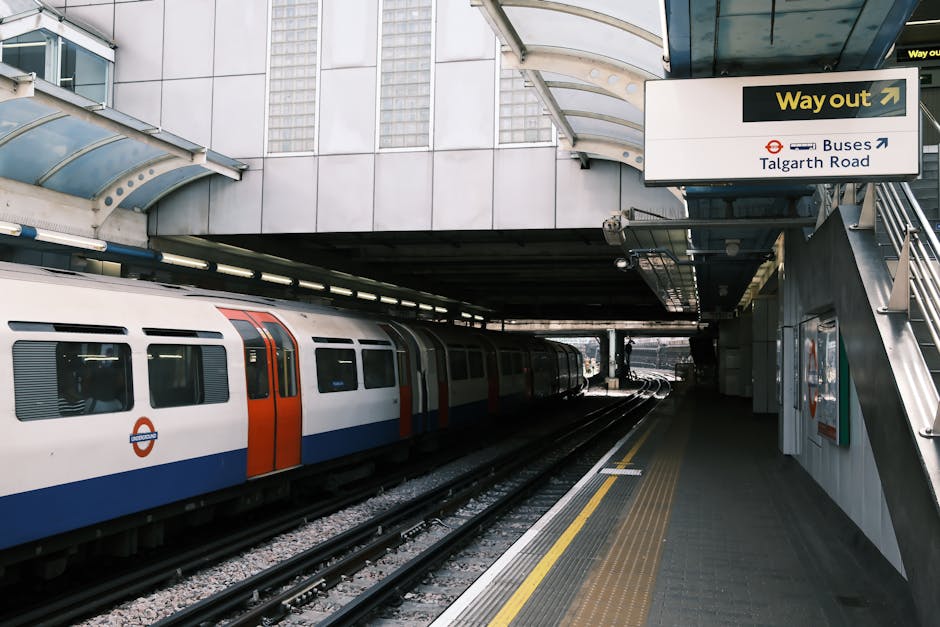
King Street moving guide Hammersmith removals for flats
Posted on 29/05/2026
King Street Moving Guide: Hammersmith Removals for Flats
Moving out of a flat on King Street in Hammersmith can feel simple on paper and then, suddenly, very not simple in real life. Narrow entrances, stairs that seem to go on forever, tight parking, awkward lift bookings, and neighbours who are trying to work from home at the exact moment your sofa arrives. Sound familiar? This guide to King Street moving guide Hammersmith removals for flats is built for exactly that kind of move: practical, local, and focused on the little details that make the difference.
Whether you are leaving a studio, a riverside apartment, or a top-floor flat with more boxes than floor space, you will find clear advice here on planning, packing, timing, vehicle access, and choosing the right moving help. If you want to explore the wider service options first, you may also find the flat removals Hammersmith page useful, along with the broader removals Hammersmith overview.
Truth be told, flat moves are often won or lost in the first 15 minutes of planning. Get the access details right, and the day feels calmer. Miss them, and everything takes longer than it should. This guide walks through the whole process so you can move with less stress and fewer surprises.

Why King Street moving guide Hammersmith removals for flats Matters
King Street sits in one of those parts of London where the environment can change from one doorway to the next. Some buildings are straightforward; others have tight stairwells, shared hallways, residents-only access rules, or loading restrictions that become obvious only when a van is already outside. That is why a flat-specific moving plan matters so much.
For flat moves, the usual challenges are not just about carrying furniture. They are about timing, access, coordination, and protecting both your belongings and the building. A good plan helps you avoid blocked entrances, rushed lifting, and those awkward moments where everyone is looking at the same bulky wardrobe and quietly wondering who measured what.
This is especially relevant if you are moving from a higher floor or from a property with limited lift space. In our experience, the difference between a smooth move and a chaotic one is often one thing: someone thought about the building before moving day. A brief conversation with your mover, a quick check on parking, and a realistic load plan can save a lot of faff later.
It also matters because flat removals often affect other people. Neighbours, building managers, and concierge teams may all need notice. The more organised you are, the less likely you are to cause avoidable disruption. And let's face it, nobody wants to be remembered as the move that blocked the stairwell at 8:10 a.m.
If you are still weighing up the area itself, the article on should you move to Hammersmith gives useful local context. It can help if you are moving in or out and trying to understand what life in the area really feels like.
How King Street moving guide Hammersmith removals for flats Works
Most flat moves in Hammersmith follow a similar rhythm. First comes the survey or quote stage, then packing and access planning, then loading, transport, and final placement at the new property. Simple enough, but the details matter.
For a flat move, the moving team usually needs to know:
- how many floors are involved
- whether there is a lift
- if parking is available close to the entrance
- what large items need dismantling
- how many boxes and bags are being moved
- whether anything fragile or unusual needs special care
Once that information is clear, the job can be matched to the right vehicle and crew size. That might mean a compact man with a van Hammersmith option for a smaller move, or a fuller house removals Hammersmith style service if the flat is heavily furnished. Some customers also prefer a more flexible man and van Hammersmith arrangement when the move is moderate in size but time-sensitive.
A good provider will also think through the building itself. Are there tight turns on the stairwell? Is the lift booked? Is there a waiting zone for the van? Is a second trip likely? Small questions, but very useful ones.
For anyone who needs a straightforward starting point, the Hammersmith man and van W6 service page is a handy next step, especially if you want a local team used to West London flats and streets with limited room to manoeuvre.
Key Benefits and Practical Advantages
There are real advantages to treating a King Street flat move as a special case rather than a generic domestic move. The most obvious benefit is reduced stress, but there are several others that tend to matter just as much on the day.
- Better time control: A well-planned flat move usually starts and finishes more predictably.
- Less damage risk: When access is mapped properly, fewer things get bumped, scratched, or squeezed awkwardly through doorways.
- Faster loading: Clear routes and pre-packed items mean the crew can work efficiently.
- Lower disruption: Good planning keeps hallways, lifts, and shared areas calmer for everyone.
- More accurate pricing: The more the mover understands in advance, the less likely you are to face awkward surprises later.
Another practical advantage is storage flexibility. If your completion date slips, or your new flat is not quite ready, short-term storage can act as a safety net. That is where storage Hammersmith can be a useful part of your plan.
People often underestimate the benefit of packing support too. Good packing is not just about boxes. It is about protecting corners, labelling properly, and grouping items by room so unpacking feels manageable. The service pages for packing and boxes Hammersmith and package and boxes Hammersmith are worth a look if you want help with materials and preparation.
Expert summary: For flats on or near King Street, the best move plan is usually not the cheapest-looking one on paper. It is the one that matches building access, parking reality, and the amount of stuff you actually own.
Who This Is For and When It Makes Sense
This guide is for anyone moving from or into a flat in the King Street area of Hammersmith, especially if the move involves shared access, limited parking, or a lot of stairs. It is also useful if you are a landlord, letting agent, or family member helping someone who has not moved in years and is now suddenly surrounded by boxes, cables, and a kitchen drawer full of items nobody quite recognises.
It makes sense if you are:
- moving from a studio or one-bedroom flat
- relocating a larger apartment with furniture
- moving in or out of a managed building
- working around a tight completion schedule
- trying to avoid a full house move when only a smaller vehicle is needed
Students and short-term renters also benefit from this sort of guidance. Flat moves are often time-bound, with deposit deadlines and inventory checks looming. If that sounds familiar, the student removals Hammersmith page may be helpful too.
Sometimes people only need a fast turnaround. A last-minute notice period, a landlord change, or a sudden key handover can all create pressure. In those cases, a more responsive option such as same day removals Hammersmith may be relevant, though availability naturally depends on timing.
And if you are comparing providers, it can help to understand the wider service landscape first. The services overview page gives a clearer picture of what a local removal company can cover beyond the van on the day.
Step-by-Step Guidance
1. Confirm the move date and access details
Start with the basics: exact moving date, key collection time, lift booking rules, and parking conditions. A surprising number of delays begin with a vague "around lunchtime" arrangement. If you can, get the exact slot in writing.
Ask yourself: where will the van stop, how far is the walk from the building, and will there be any restrictions on loading? If you do only one thing early, do this.
2. Measure large items and weak points
Measure wardrobes, sofas, mattresses, and anything awkwardly shaped. Then check doorways, stair widths, and lift dimensions. It sounds obvious, but it prevents the classic problem of a sofa that fits everywhere except the one corner that matters.
For bulky or delicate pieces, especially wooden furniture, it may be worth using a specialist service like furniture removals Hammersmith.
3. Decide what should be packed first
Pack room by room. Start with items you do not use daily: books, spare linens, seasonal items, decor, and backup kitchenware. Leave a small overnight bag aside with medication, chargers, toiletries, and a clean set of clothes. You will thank yourself later, probably while standing in a half-empty kitchen at 10:30 p.m.
4. Label clearly and keep essentials separate
Label each box with the room and a short list of contents. Keep one colour or marker style for fragile items. If a box contains cables, make a note of the device it belongs to. That tiny bit of order can save a whole evening of confusion.
5. Protect floors, walls, and shared areas
Use covers or blankets where needed, and make sure bulky items are wrapped properly. In flats, shared stairwells and entrance halls are often the pinch points. A careful mover should already be thinking about this, but it helps if you are prepared too.
6. Coordinate the loading sequence
Put the largest items and heaviest boxes in the van first, unless the move team has a better order based on drop-off layout. Fragile items should be loaded securely, not crushed under random bags because there was "nowhere else to put them". That never ends well.
7. Do a final sweep before leaving
Check cupboards, sockets, under the bed, behind doors, and inside bathroom cabinets. Flats have a way of hiding things in plain sight. A ten-minute sweep can save you the hassle of a second trip or a missing important document.
Expert Tips for Better Results
Here are the little things that tend to make a flat move smoother, especially in a place like King Street where access can be a bit unpredictable.
- Book early if your building has shared access rules. Concierge-managed flats and blocks with lift booking systems often need extra coordination.
- Keep a "do not pack" zone. Put keys, documents, medications, chargers, and valuables somewhere obvious and separate.
- Use smaller boxes for books. A large box full of books is one of those ideas that seems fine until you try to carry it.
- Dismantle furniture only when needed. Too much dismantling can create extra work if the piece actually fits as is.
- Photograph cable setups before unplugging anything. Future-you will be grateful.
- Tell neighbours or building staff in advance. A quick heads-up goes a long way, especially in shared buildings.
One more thing: if your move includes a piano, mirror, or oddly shaped item, say so early. Special items need special handling, and the right team will plan accordingly. For more on that, see piano removals Hammersmith.
And if you want to understand how a local team approaches jobs in the area more generally, the about us page can be a reassuring read before you commit. Not because you need a novel, just because it helps to know who is turning up with the van.

Common Mistakes to Avoid
Flat moves go wrong for fairly ordinary reasons. The good news is that most of them are avoidable.
- Leaving access checks until the last minute. Parking and lift access should be confirmed early, not guessed.
- Overfilling boxes. This makes lifting slower and increases breakage risk.
- Ignoring building rules. Some flats have specific moving windows or shared areas that must stay clear.
- Underestimating the amount of stuff. Every flat seems smaller when it is full of items you forgot you owned.
- Not separating essentials. The kettle, phone charger, and important paperwork should not disappear into the main load.
- Choosing a vehicle that is too small. Multiple trips are possible, of course, but they can stretch the day and increase cost.
A subtle mistake is assuming every mover understands flat access in West London automatically. Many do, but not all are equally prepared. If you are comparing providers, the removal companies Hammersmith page may help you compare the kinds of services on offer.
Another one: forgetting end-of-tenancy timing. If you are trying to hand back keys, finish a clean, and move out on the same day, you need a stricter schedule than you think. It sounds dramatic. It is not, really. It just needs a bit of realism.
Tools, Resources and Recommendations
You do not need a warehouse of equipment to move well from a flat. A few practical tools make the whole process easier.
- Strong boxes: ideally a mix of small, medium, and a few wardrobe boxes if needed.
- Packing tape: more than you think you need.
- Marker pens: for labelling room names and contents.
- Blankets or protective wraps: for furniture and fragile pieces.
- Zip bags: useful for screws, plugs, and assembly bits.
- Phone camera: for photographing meters, cable setups, and furniture condition.
If you want the moving day itself to feel less rushed, consider whether you need help with loading, transport, or full packing support. A local man with van Hammersmith service may be suitable for smaller flat moves, while fuller jobs usually benefit from a broader removal services Hammersmith package.
You can also use the site's pricing and quotes page to understand how estimates are generally structured before requesting one. That is often a smarter first step than guessing at price and hoping for the best.
For customers who care about where old items go, the recycling and sustainability page is useful too. It is one of those topics people often leave too late, then regret when they are standing next to an old chair they do not want to dump.
Law, Compliance, Standards, or Best Practice
For a flat move in Hammersmith, the main compliance concerns are usually practical rather than dramatic. You are not usually dealing with complex legal steps, but you do need to respect building rules, local parking restrictions, and basic health and safety expectations.
Best practice includes:
- confirming lift and loading access in advance
- keeping communal spaces clear during the move
- using suitable equipment for lifting and loading
- making sure fragile or heavy items are handled carefully
- following any instructions from building management or concierge staff
A professional mover should also have internal policies around safety, insurance, and complaints handling. If you want to check these standards, the pages for insurance and safety, health and safety policy, and complaints procedure are relevant and worth reviewing.
There is also a privacy side to moving arrangements. If you share contact details, access notes, or booking information, you want to know that data is handled sensibly. The privacy policy and terms and conditions pages help with that kind of reassurance.
In practice, good compliance is just good moving behaviour. Clear communication, careful handling, and respect for the building. Nothing flashy, but it matters.
Options, Methods, or Comparison Table
Choosing the right moving method depends on the size of the flat, how much you own, and how much help you want on the day. Here is a simple comparison to help you think it through.
| Option | Best for | Pros | Trade-offs |
|---|---|---|---|
| Man with a van | Small to medium flat moves | Flexible, often efficient, good for quick local jobs | May require more hands-on packing and coordination |
| Flat removals service | Most apartment moves | More tailored to stairs, lifts, and fragile items | Usually costs more than a basic van-only option |
| Full removals team | Larger or more complex flats | Better for heavy furniture and higher-volume loads | Can be more than you need for a light move |
| Self-move with hired van | Very small loads and confident movers | Lower service cost, full control | More stress, more lifting, more risk of delays |
If your flat move feels light but time-sensitive, a removal van Hammersmith option can make sense. If the move is more involved, the better answer is usually a service designed specifically for flats, not a generic vehicle hire setup.
Small comparison, big difference. A move that looks "simple" can become complicated quickly once you factor in stairs, parking, and the time needed to protect furniture properly.
Case Study or Real-World Example
Picture a typical move from a second-floor flat near King Street. The property has a narrow hallway, a lift that can only take one person plus boxes, and a sofa that looked modest in the showroom but somehow became enormous once it reached the front door. The resident has packed most things already, but not labelled the boxes properly. Classic.
What works well in a move like this? First, the mover checks access before arrival. Second, the resident separates essentials, paperwork, and fragile items. Third, furniture is assessed before loading so the team knows what can go intact and what needs dismantling.
In a case like that, the day usually improves fast when everyone accepts one simple truth: the building sets the pace. Once the route, parking, and item sizes are known, the rest becomes a logistics job rather than a guessing game.
That is where local knowledge really helps. A crew familiar with Hammersmith streets understands how quickly a short parking stop can turn into a bottleneck. They also understand that a flat move is rarely only about boxes; it is about fitting all the moving parts together without drama.
If the move also involves rearranging or moving furniture between rooms, the dedicated furniture removals Hammersmith page gives a better sense of what to expect for heavier pieces.
Practical Checklist
Use this checklist before moving day. It is simple, but it catches the things people forget when the kettle is already packed and the Wi-Fi is off.
- Confirm moving date and access window
- Check lift booking, if applicable
- Ask about parking and loading restrictions
- Measure large furniture and key doorways
- Separate essentials bag from packed boxes
- Label all boxes by room and contents
- Protect fragile items with suitable packing materials
- Notify building management or concierge if needed
- Keep screws, fixings, and tool kits in one clearly marked bag
- Take photos of the flat before leaving
- Check cupboards, drawers, balcony spaces, and behind doors
- Keep payment, quote, and contact details handy
Quick reminder: if you are moving under time pressure, the fastest route is usually to speak to a local team early rather than trying to improvise on the morning itself.
For a direct next step, you can browse the service area through services or review customer feedback via testimonials. If you want to speak with the team, the contact us section is the right place to start.
Conclusion
A King Street flat move does not need to be frantic. It just needs a plan that fits the reality of flats in Hammersmith: shared entrances, narrow routes, timing pressure, and furniture that never seems as easy to move as it looked in your head. Once you handle access, packing, and the right type of mover, the whole process becomes far more manageable.
The real win is not just getting everything from A to B. It is arriving at your new place with your energy still intact, your belongings in one piece, and your evening not completely swallowed by avoidable chaos. That is a good move, honestly.
If you are preparing a flat move and want local support, explore the relevant service pages, check the guidance above, and pick the option that suits your building, your schedule, and your furniture. A calm move is rarely luck. It is preparation, plain and simple.
Get a free quote today and see how much you can save.